
Menu
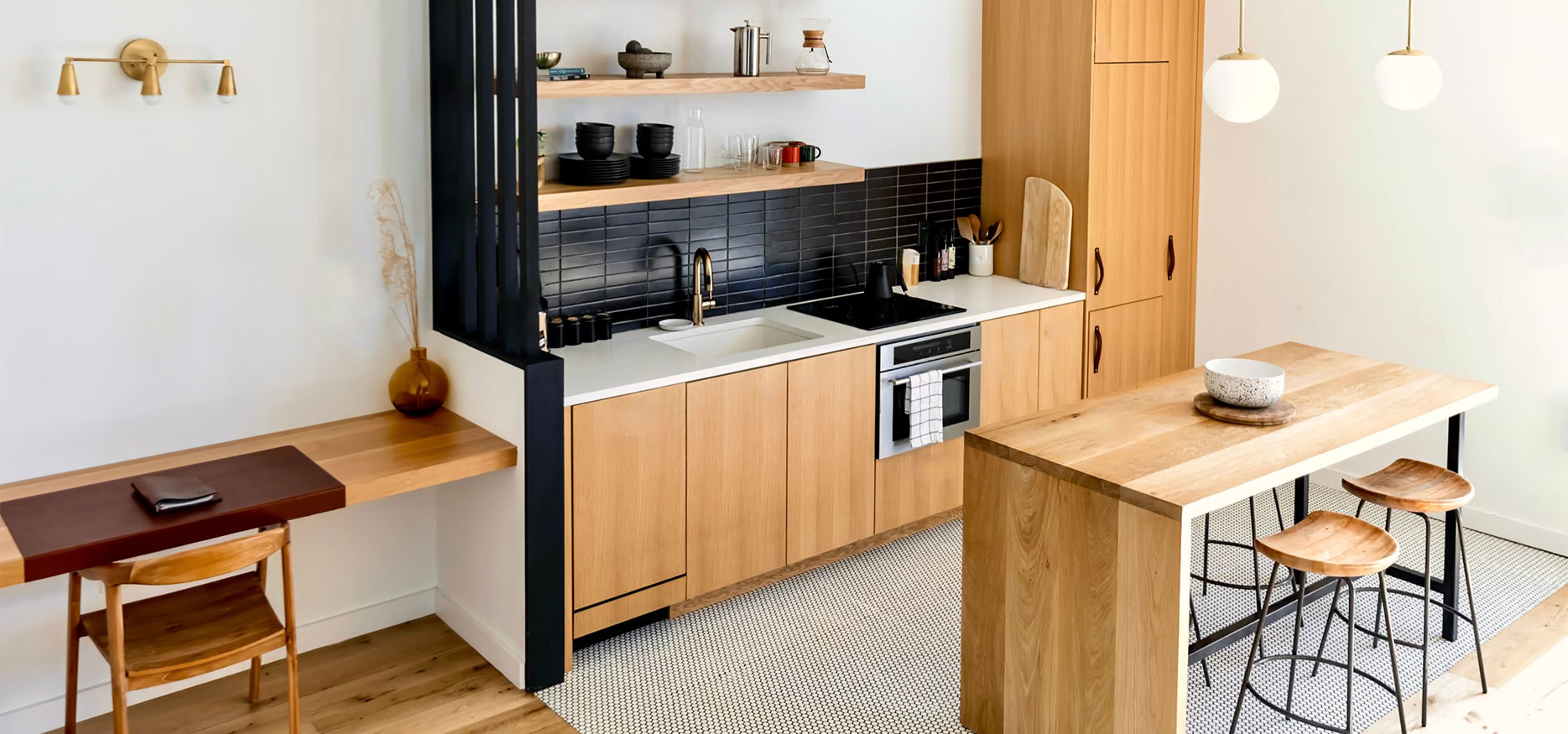
Build-to-rentand co-living are both responses to the same shortage of affordable rental housing, but they take very different shapes. Build-to-rent means large apartment blocks, usually owned by an institution and rented out at scale. Co-living means smaller, purpose-built homes with private rooms and shared spaces, designed around the single renter. Same problem, two very different models.
The clearest difference is in the numbers. Build-to-rent typically targets net yields well below what purpose-built co-living achieves, because a large block of standalone apartments simply generates less income per square metre than a home configured for multiple private rooms. Dominion's co-living model delivers 8.5% and above net yield, a level the build-to-rent structure rarely reaches.
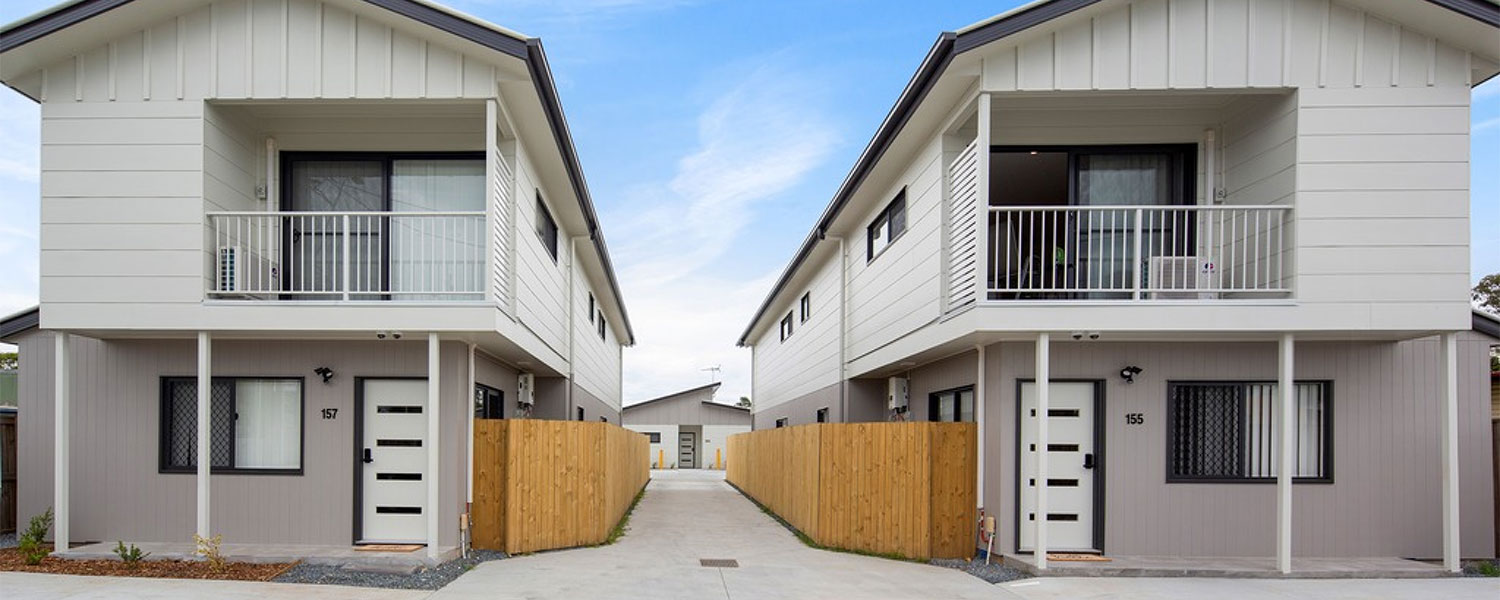
Build-to-rentis a slow, capital-heavy game. The towers take years to plan and deliver, and the cheque sizes put them out of reach for all but the largest institutions. Co-living builds are smaller, faster to complete, and accessible to private investors. With a fixed-price contract behind each build, the number is known before a shovel goes in the ground.
Build-to-rentgenerally serves the mid to upper end of the rental market, where tenants canafford a full apartment. Co-living meets the fastest-growing group in the market, the single renter who wants some where quality and affordable. The demand sits exactly where co-living is built to answer it.

Higher yield, faster delivery, accessible cheque sizes, and demand that is structural rather than speculative. Build-to-rent is a fine model for an institution with adecade and a billion dollars. For a private investor who wants developer-stylereturns without developer-style risk, co-living is the better fit, and it is why we build it.
Where to from here. If you are comparing co-living against other parts of your portfolio, we are happy to talk it through without the sales pitch.


