Development as a Service (DaaS) in Co-Living
What development as a service means
Development as a service (DaaS) is a way for an investor to own a newly built property without running the development themselves. A specialist developer handles the work that normally sits between an idea and a finished, tenanted asset: finding the site, securing approvals, designing and building, and preparing the property to operate. The investor funds the project and owns the result.
The term sits between two familiar options. Buying an established property is simple but gives you little control over the asset. Developing it yourself gives you control but asks for time, specialist knowledge and a tolerance for delivery risk. DaaS aims to give investors the first benefit of a new, purpose-built asset without taking on the second burden of managing the build.
How DaaS works in co-living
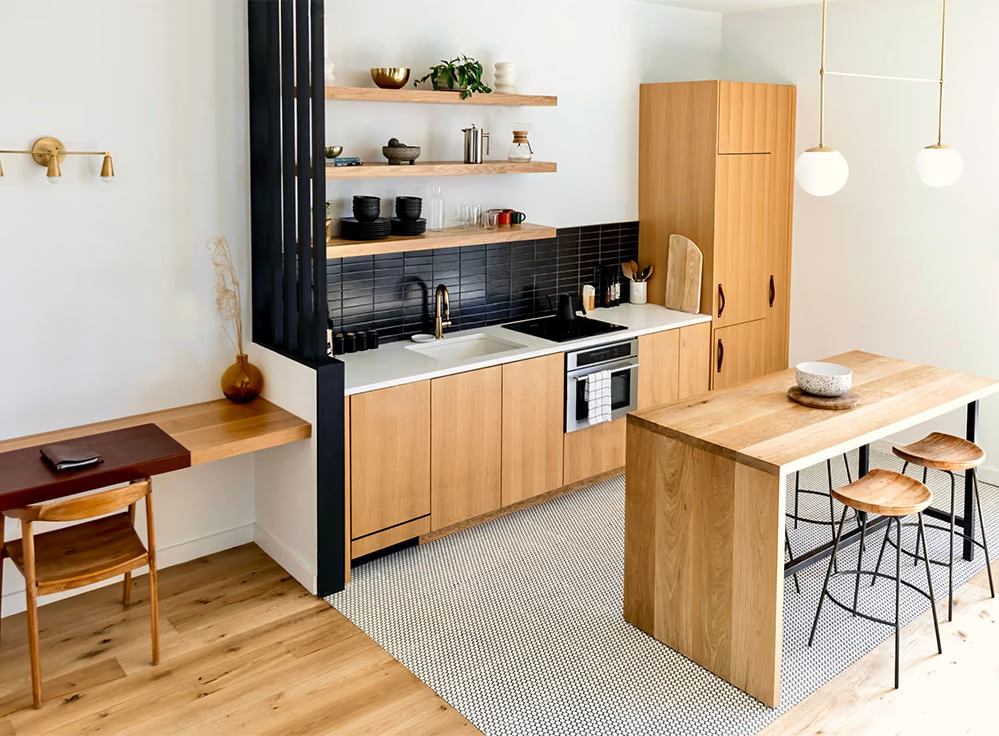
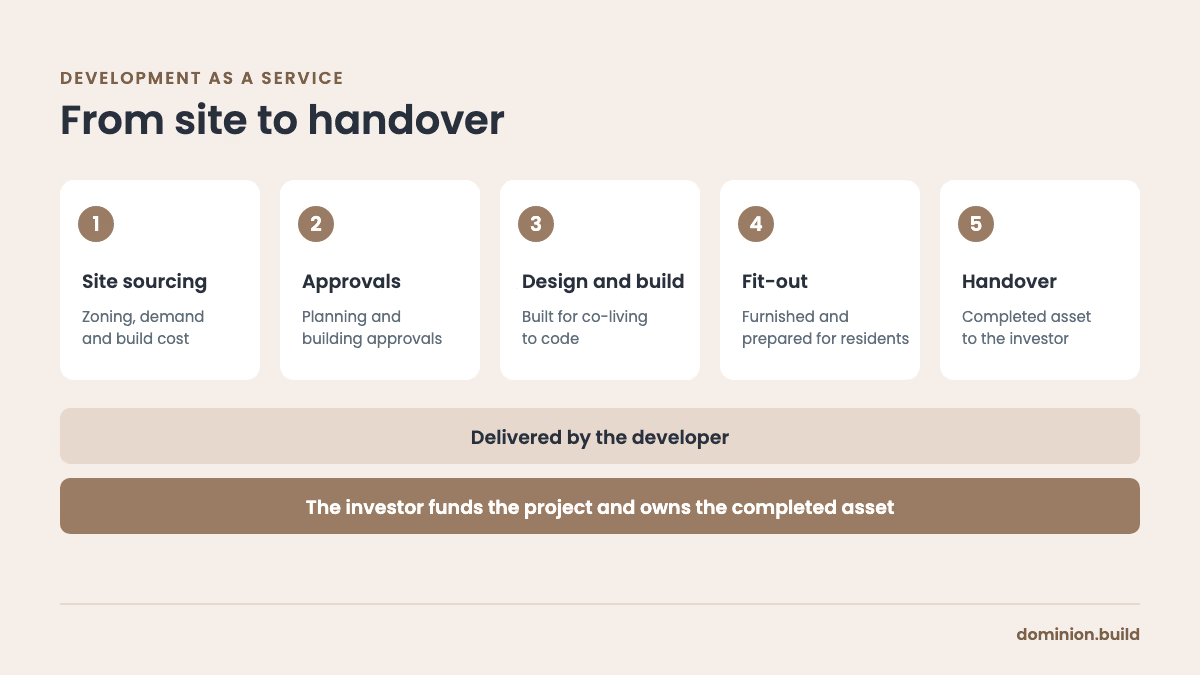
Co-living is a strong fit for this model because it is a specialist product. A co-living dwelling has private rooms, shared living spaces and its own building and compliance requirements, so site selection, design and operation all matter more than they do for a standard rental. A typical DaaS project follows a set order:
- Site sourcing. The developer finds and assesses sites against zoning, approval pathway, demand and build cost.
- Approvals. Planning, building and any subdivision approvals are managed before construction starts.
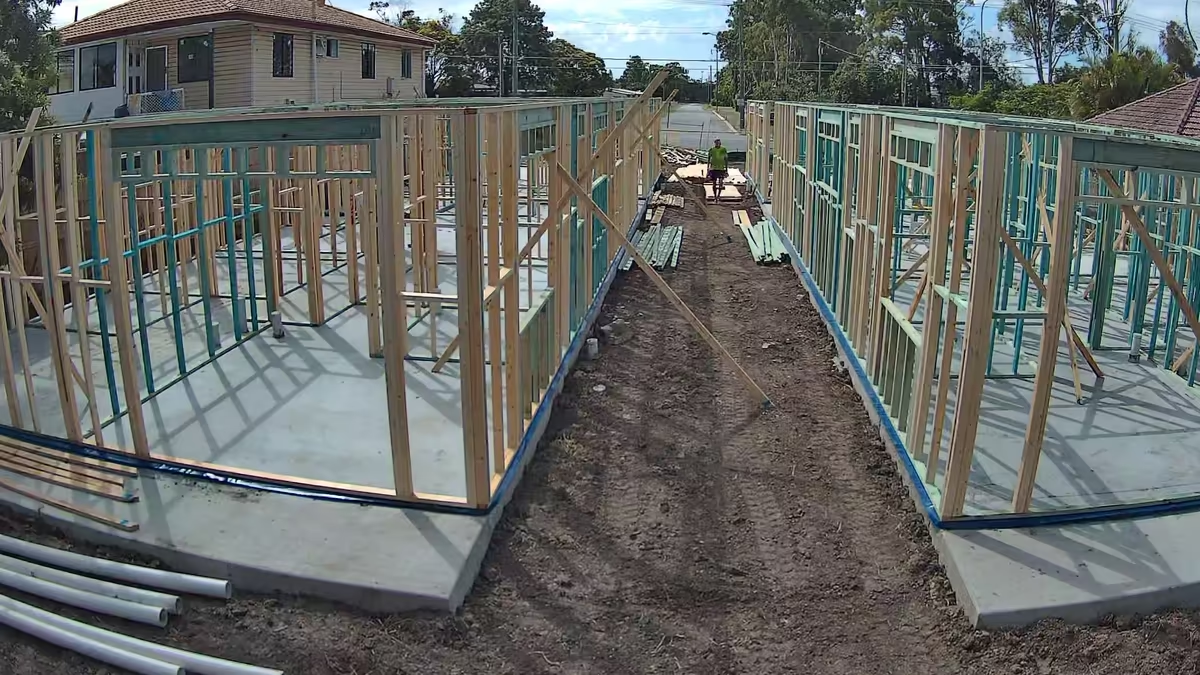
- Design and construction. The dwelling is designed for co-living and built to the required building classification and fire-safety standards.
- Fit-out and tenanting. The property is furnished and prepared for residents.
- Handover. The investor receives the completed asset, with operation arranged.
The details differ by developer and by state, so the first job for any investor is to see exactly what is included and what is not.
DaaS compared with other routes
- Buying an established property. Quick and familiar, but the asset is whatever already exists, and you inherit its age, layout and condition.
- Buying off the plan. You buy a new asset before it is built, usually as one lot within a larger project, and take on settlement-timing and developer risk.
- A joint venture. Two or more parties share the project, which can mean shared control, shared profit and shared risk. It is a different relationship from owning the asset outright.
- Developing it yourself. Maximum control, and also maximum workload and exposure to cost and timing risk.
- Development as a service. A specialist delivers the project for the investor, who owns the asset. The investor still carries market and construction-cost risk, but not the day-to-day job of managing delivery.
None of these is better for everyone. The right choice depends on your capital, your experience, how much control you want and how much risk you are willing to hold. For the basics of each, see how to invest in property in Australia and property investment strategies in Australia.
Why co-living
Co-living earns rent from several private rooms under one title, so a single vacancy is a small part of the income rather than all of it. It also serves a growing group of renters: people who want to live alone without paying for a whole apartment. Our investor's guide to co-living assets and the article on single-person households cover the demand side, and co-living versus build-to-rent explains why we chose this format.
It is also a different asset with different risks: higher operating costs than a single-tenant rental, its own building classification and a narrower buyer pool when it comes time to sell. Compare net yield, not just gross, and ask how the asset will be valued. Our explainer on what a rooming house is covers the regulatory background.
Who DaaS suits, and who it may not
DaaS tends to suit investors who already have capital or equity, want a new, purpose-built asset, and would rather not manage a development. It may not suit someone who wants full control of every design and cost decision, who prefers an existing property they can inspect today, or who is not comfortable with construction and approval timelines.
Questions to ask any DaaS provider
- What is included? Site, approvals, design, build, fit-out, tenanting and operation: which are covered and which are extra?
- Who owns what, and when? Confirm how and when title passes to you and who holds the site during the project.
- How are costs and fees set? Understand what is fixed, what can change and who carries overruns.
- How is the asset valued? Ask which valuation figures are used at which stage and how they are produced.
- What is the track record? Ask for completed projects you can verify, not only a count.
- What happens if something goes wrong? Ask about delays, defects, vacancy and exit.
- Who operates the asset? Find out who manages residents, maintenance and compliance after handover, and at what cost.
Get independent legal, tax and finance advice before you commit. These structures can have different tax, lending and stamp duty outcomes depending on how they are set up.
How Dominion delivers development as a service
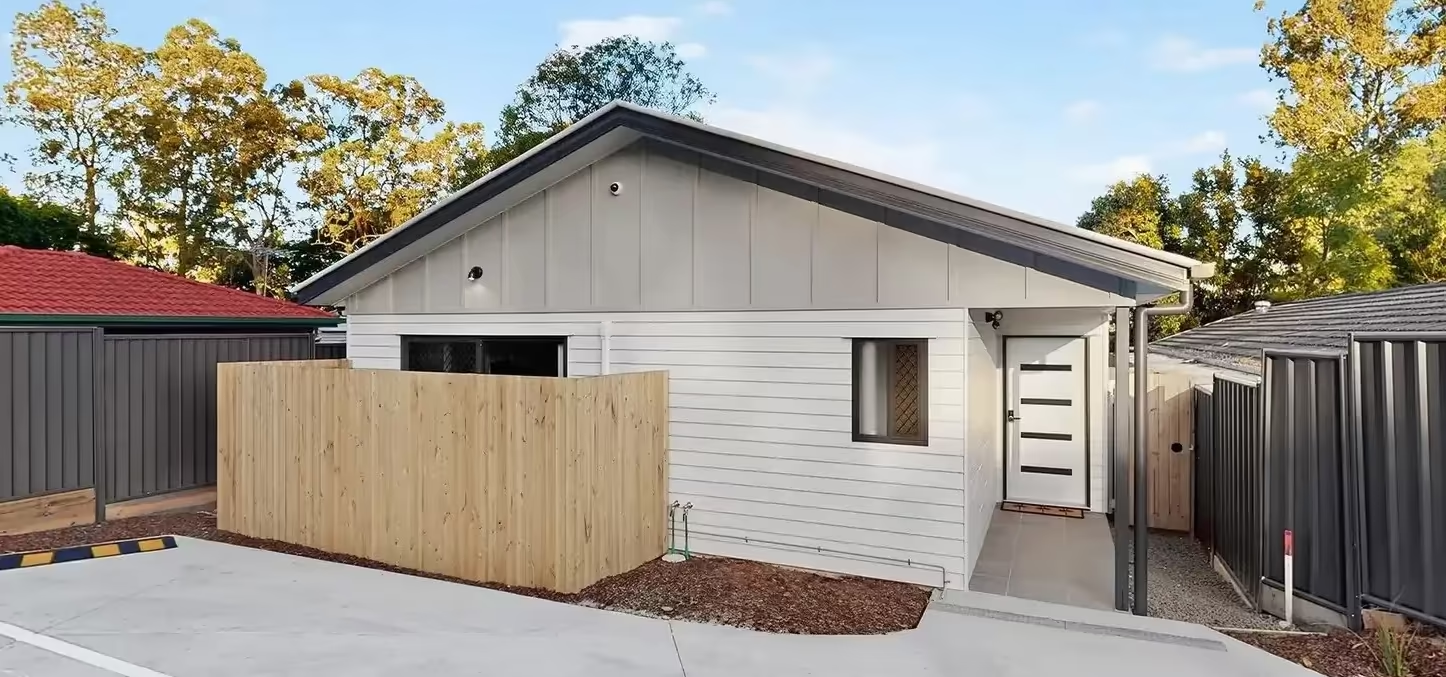
Dominion is a specialist co-living developer working in Queensland and Victoria. Development as a Service is the methodology behind our approach, and our Keystone program is how it reaches investors: we build a purpose-built co-living dwelling for you from the ground up, you own the asset at the end, and Dominion manages the process from site sourcing through to tenanted completion.
Returns and terms depend on the site, the build and the program, so we do not quote figures here. You can see completed and current developments on our projects page, and the current program details on our investors page. To understand how to compare the numbers fairly, read net yield versus gross yield.
[cta]
Frequently asked questions
What is development as a service (DaaS)?
It is a model where a specialist developer finds the site, manages approvals, builds the asset and prepares it to operate, while the investor funds the project and owns the result.
Is DaaS the same as a joint venture?
No. In a joint venture the parties typically share the project, and often its control and profit. In DaaS the investor owns the asset and the developer delivers the project for them. The exact terms depend on the agreement, so read it carefully.
Is DaaS the same as project management?
Not exactly. A project manager coordinates a build on a site the client already holds. DaaS usually starts earlier, with site sourcing and approvals, and ends later, with a completed and tenanted asset.
Do I own the property with DaaS?
That is the intent of the model, but confirm it in the contract: when title passes, what you own at each stage and what happens if the project does not complete.
Why co-living for DaaS?
Co-living is a specialist product with its own design, approval and operating requirements, so it benefits from a developer who repeats the same process. It also carries different risks from a standard rental, which are worth weighing before you invest.
Is DaaS risk-free?
No. Construction costs, approvals, timing, interest rates, vacancy and values can all move against you. Delivery by a specialist reduces the workload, not the market risk.
How do I get started?
Write down your goal and your budget, speak to a broker and an accountant, then ask any provider the questions above. If you would like to see how a Dominion project works from the investor's side, get in touch and we will walk you through it.
[cta]
This is general information, not financial, legal or tax advice. Property values and rents can fall as well as rise. Investors should seek their own advice before committing.
Elevate Your Portfolio With Dominion!
Elevate Your Portfolio With Dominion!
General information only. This article is not financial, tax, legal or credit advice and does not consider your objectives, financial situation or needs. Figures, examples, rules, rates and tax settings are illustrative, can change, and may not reflect the latest position. Returns are not guaranteed. Confirm the current position with a licensed adviser, accountant or the relevant authority before making a decision.


Related Posts