What Is a Rooming House?

A rooming house is a building where several people rent individual rooms and share facilities such as a kitchen, bathroom or living area. Each person usually has their own agreement for their own room, rather than one lease for the whole property.
What is a rooming house?
In Australia, the exact definition and the rules depend on the state. Broadly, a rooming house is a premises where rooms are let to multiple unrelated people who share some facilities. In Queensland the term rooming accommodation is used. In Victoria, rooming houses must be registered with the council and operators must be licensed, and minimum standards apply.
People often use the terms rooming house, boarding house and co-living interchangeably. They overlap, but they are not identical, and the legal treatment can differ.
Rooming house vs share house vs boarding house
- Share house. Usually a single lease held by the group, or one head tenant who sub-lets. Tenants are often friends or people who choose each other.
- Rooming house. Each resident rents a room under their own agreement from the operator or owner. The building is managed as a whole.
- Boarding house. Often used for the same model, sometimes with meals or services provided. The term is used differently across states and in older law.
- Co-living. A modern, purpose-built version of shared housing, usually with private rooms and well-designed shared spaces, run by a professional operator.

Why investors look at rooming houses
A conventional rental depends on one tenancy. If the tenant leaves, rent stops until someone new moves in. A rooming house earns from several rooms, so income is spread. One empty room reduces income, but does not remove it.
Shared housing also meets real demand. People who want a lower-cost option close to jobs, transport and services often choose it, and supply of purpose-built stock is limited.
What the investor needs to understand
- Regulation. Registration, standards, fire safety and building classification vary by state and council. Learn the rules for the exact location. See Class 1b buildings explained.
- Operations. More tenancies means more management, turnover and upkeep. Costs are different from a standard rental.
- Net return. Compare yield after operating costs, not on gross rent. See net yield vs gross yield.
How Dominion approaches it
Dominion builds and operates purpose-built co-living assets designed for this kind of demand. You can read more in our investor's guide to co-living assets, and see why Victoria is a focus.
[cta]
How rooming houses are regulated in Queensland and Victoria
Each state regulates shared accommodation differently, and the rules change. The points below are a starting guide, not a substitute for checking the current requirements.
- Victoria. Rooming houses are covered by the Residential Tenancies Act 1997 and must meet minimum standards for privacy, security, safety and amenity. They must be registered with the local council, and the operator must hold a licence from the Business Licensing Authority. From 13 October 2026, operators must keep records showing the property meets the minimum standards. Check Consumer Affairs Victoria and the local council for the current requirements.
- Queensland. The term used is rooming accommodation, covered by the Residential Tenancies and Rooming Accommodation Act 2008 and the Regulation 2025. Residents typically hold a rooming accommodation agreement (Form R18) for their room, and prescribed house rules apply. Check the Residential Tenancies Authority and the local council for the current requirements.
Planning is separate again. A council may require a planning permit or development approval for a rooming house, and the building must meet the NCC for its class. See Class 1b buildings explained.
What a rooming house looks like in practice
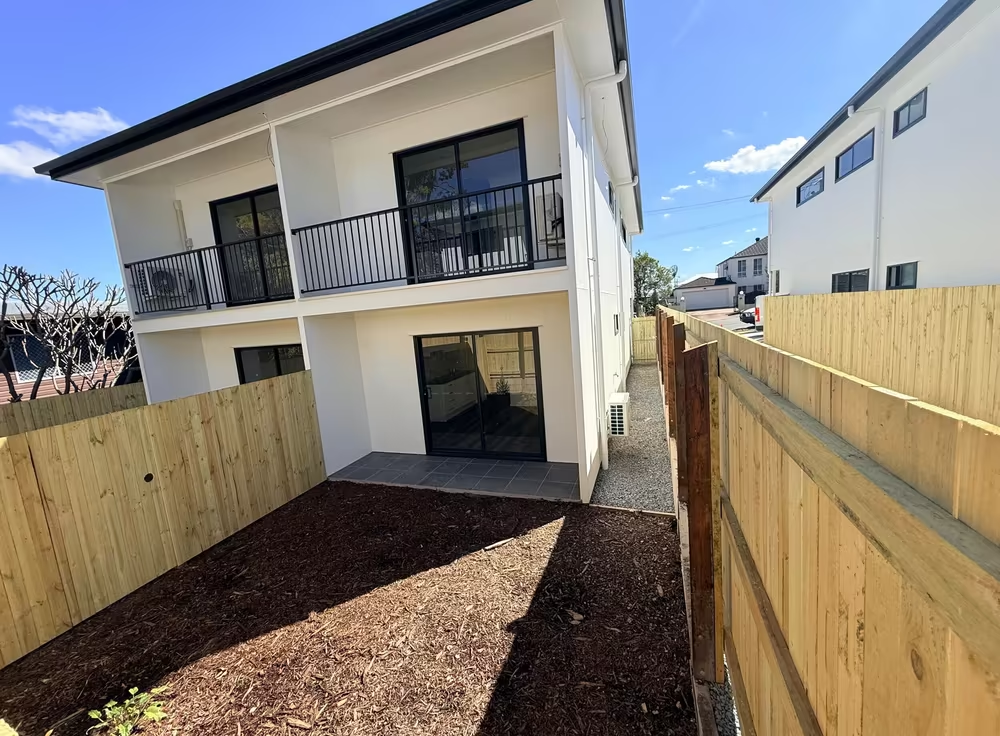
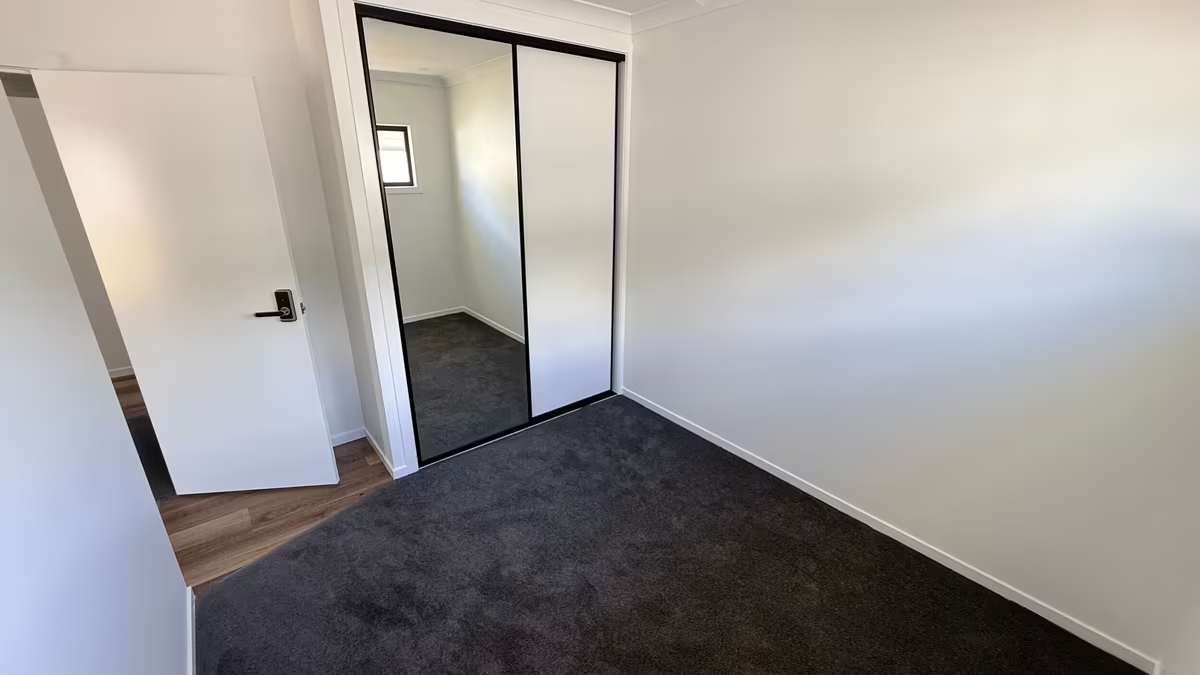
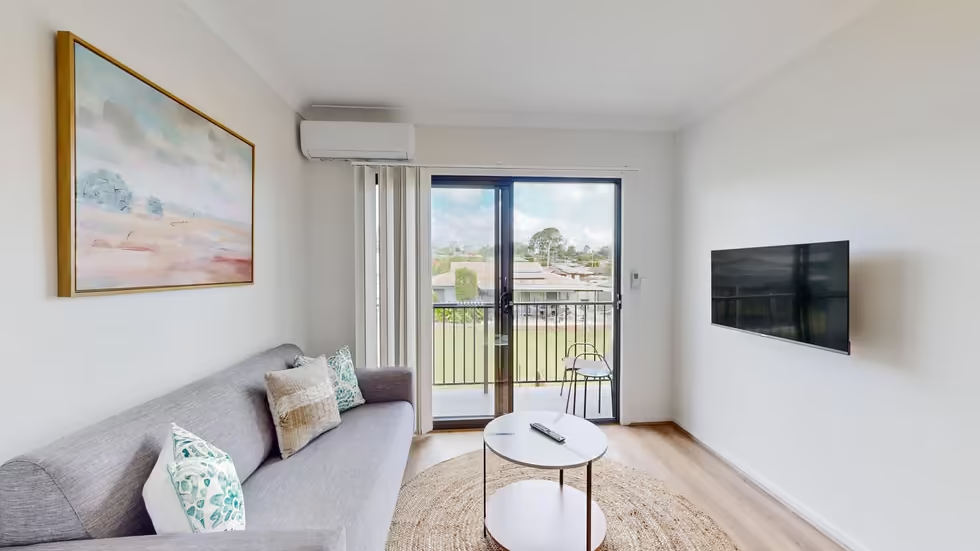
Each resident has a private bedroom, usually with a lock, and shares the kitchen, bathrooms and living space. A traditional rooming house is often a converted older house with few shared amenities and variable condition. A purpose-built rooming house or co-living building is designed from the start for this use, with more bathrooms, better fire safety and larger shared areas, so it is easier to operate and to live in.
Who lives in a rooming house?
Tenants are often single people who want a lower-cost home close to work, study, transport and services. That can include students, workers on moderate incomes, people relocating for a job, and people between longer-term housing arrangements. Demand tends to track the cost of conventional rental housing: when rents rise, more people look at shared options.
How the money works
Rent is collected room by room. The owner's income is the sum of all room rents, less the costs of running the building: rates, insurance, repairs, utilities where included, cleaning, management and vacancy. Because there are more tenancies, there is also more turnover and more administration than in a standard rental. That is why the net figure matters more than the gross figure. The article on what a good rental yield looks like shows how to calculate it.
The risks to understand
- Regulatory change. Rules on registration, standards and licensing can change, and non-compliance can be costly.
- Operational load. More tenants means more management time or a professional operator.
- Planning and approvals. Not every site or council will permit a rooming house.
- Tenant demand and turnover. Rooms can sit empty, and turnover costs add up.
- Building condition and compliance. Older conversions may need work to meet current fire and safety standards.
- Resale and finance. Some lenders and valuers treat shared housing differently from a standard dwelling.
Questions to ask before you invest
- What building class and approvals does the property hold?
- Is it registered or licensed where required, and who is the operator?
- What are the actual room rents and the vacancy history?
- What are the full operating costs, and who pays for what?
- How will the lender and valuer treat the property?
- What happens if rules or demand change?
Frequently asked questions
What is a rooming house?
A rooming house is a building where several people rent individual rooms and share facilities such as a kitchen and bathroom. Each resident usually has their own agreement for their own room, and the building is managed as a whole.
What is the difference between a rooming house and a share house?
In a share house the group usually holds one lease together, or one person sub-lets rooms. In a rooming house each resident rents their room under a separate agreement from the owner or operator, and the building is run as a whole.
What is a rooming house in Victoria?
In Victoria a rooming house is a building where one or more rooms are available for occupancy by four or more people in return for rent. Rooming houses must meet minimum standards and be registered with the council, and operators must be licensed. Check Consumer Affairs Victoria and the local council for current requirements.
Is a rooming house the same as a boarding house?
The terms overlap and are used differently across states. A boarding house sometimes includes meals or services. The legal treatment depends on the state, so check the rules that apply where the property is.
Are rooming houses a good investment?
They can earn rent across several rooms instead of one tenancy, but they carry their own regulation, operating costs and management load. Compare them on net yield and check the approvals and operator before you invest.
Where to from here. If you want to understand how a rooming house or co-living asset could fit your portfolio, get in touch.
[cta]
Elevate Your Portfolio With Dominion!
Elevate Your Portfolio With Dominion!
References
- Rooming house operators: definitions, Consumer Affairs Victoria. Accessed 16 November 2026.
- Rooming house minimum standards, Consumer Affairs Victoria. Accessed 16 November 2026.
- Rooming house operators licensing scheme, Consumer Affairs Victoria. Accessed 16 November 2026.
- Search registered rooming houses, Consumer Affairs Victoria. Accessed 16 November 2026.
- Residential Tenancies and Rooming Accommodation Act 2008 (Qld), Queensland Legislation. Accessed 16 November 2026.
- Rooming accommodation agreements fact sheet, Residential Tenancies Authority (Qld). Accessed 16 November 2026.
- Rooming houses: registration and permits, Maroondah City Council. Accessed 16 November 2026.
General information only. This article is not financial, tax, legal or credit advice and does not consider your objectives, financial situation or needs. Figures, examples, rules, rates and tax settings are illustrative, can change, and may not reflect the latest position. Returns are not guaranteed. Confirm the current position with a licensed adviser, accountant or the relevant authority before making a decision.


Related Posts