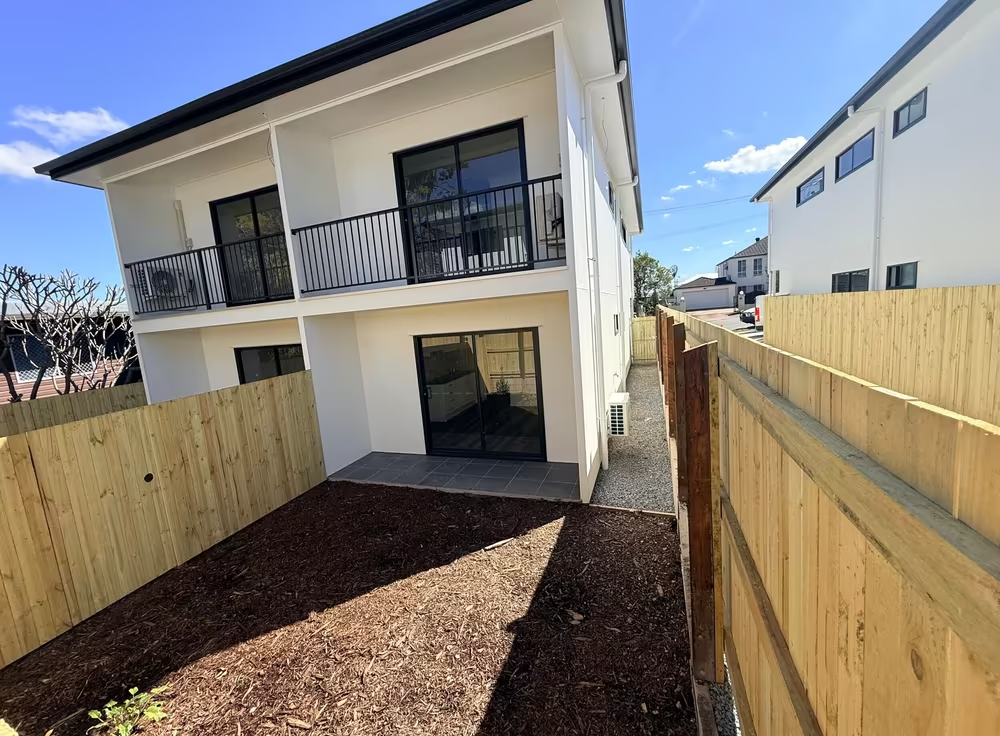
Class 1b Rooming Houses: The Investor's Guide

A Class 1b rooming house is a small, purpose-built shared home where each resident rents their own room. It sits between a standard rental house and a large boarding house, and that middle position is what makes it interesting to private investors. This guide is the starting point: it explains the model and points to the detailed articles on each part.
What is a Class 1b rooming house?
A rooming house is a building where several unrelated people each rent a room and share facilities such as the kitchen and bathrooms. Class 1b is the National Construction Code (NCC) classification that applies when a boarding house, guest house or hostel is small enough: a total floor area of no more than 300 square metres and not more than 12 people ordinarily resident. Confirm the limits for the NCC edition that applies to your site.
Two ideas are often mixed up, so it helps to separate them. Rooming house describes how the property is used and rented. Class 1b describes how the building is classified for construction and safety. A purpose-built Class 1b rooming house is both. Read more in what is a rooming house and Class 1b building explained.
In this guide
- What is a rooming house? The model, who lives in one and how it differs from a share house.
- Class 1b building explained. The NCC class and how it compares with Class 1a and Class 3.
- Rooming house rules in Queensland.
- Rooming house rules in Victoria.
- Buying a rooming house: due diligence checklist.
- What is a good rental yield in Australia? How to judge the return on a multi-room property.

Why investors look at Class 1b rooming houses
- Multiple rents from one title. Each room is rented separately, so income does not depend on a single tenancy.
- Modest scale. A Class 1b building can be built on a suburban site, which keeps the cheque size within reach of private investors.
- Demand from single renters. A growing share of households is one person, and many want a private room at a fair price. See single-person households in Australia.
- Part of the co-living model. Many purpose-built co-living homes are designed to Class 1b. See our guide to co-living investment.

[cta]
How a rooming house earns income
The owner, or an operator on the owner's behalf, rents each room individually and covers shared costs such as utilities, internet and cleaning of common areas. Because there are several tenancies, a vacancy in one room reduces income rather than removing it. The flip side is that operating costs, turnover and management are higher than for a single-tenancy rental, which is why net yield matters more than the headline gross figure.

The rules differ by state
The building class is national, but how a rooming house is registered, licensed, operated and regulated is set by each state. In Victoria, rooming houses must be registered with the council and operators must be licensed. In Queensland, the Residential Tenancies and Rooming Accommodation Act 2008 and the Regulation 2025 apply. See Queensland and Victoria.
The risks to understand
- Compliance. A building used outside its approved class, or an unregistered operation, can lead to fines and orders to rectify.
- Operations. Renting by the room is more active than a standard rental. The operator matters.
- Conversion risk. Converting an existing house can trigger a change of use, upgrades and a planning permit.
- Valuation and finance. Some lenders treat rooming houses differently from standard residential property.
Frequently asked questions
What is a Class 1b rooming house?
It is a rooming house small enough to be classified as Class 1b under the National Construction Code: a total floor area of no more than 300 square metres and not more than 12 people ordinarily resident.
Is a rooming house a good investment?
It can be, but the outcome depends on net yield, compliance and the quality of the operator, not just the advertised rent. See the checklist linked above.
Are Class 1b rooming houses legal everywhere in Australia?
The building class is national, but planning, registration and operating rules vary by state and by council. Always check local requirements.
What is the difference between a rooming house and co-living?
Co-living is the broader model of purpose-built shared housing with private rooms. A purpose-built co-living home is often a Class 1b rooming house.
Can I convert a house into a rooming house?
Sometimes, but conversion usually means a change of use, fire safety upgrades and planning approval. Get advice from a building surveyor first.
Where to from here. If you are weighing up rooming houses as an investment, get in touch and we will talk it through.
[cta]
Elevate Your Portfolio With Dominion!
Elevate Your Portfolio With Dominion!
References
- NCC 2016 Volume One, Part A3: Classification of buildings, Australian Building Codes Board. Accessed 16 November 2026.
- Rooming houses: registration and permits, Maroondah City Council. Accessed 16 November 2026.
- Rooming house minimum standards, Consumer Affairs Victoria. Accessed 16 November 2026.
- Rooming accommodation, Residential Tenancies Authority (Qld). Accessed 16 November 2026.
General information only. This article is not financial, tax, legal or credit advice and does not consider your objectives, financial situation or needs. Figures, examples, rules, rates and tax settings are illustrative, can change, and may not reflect the latest position. Returns are not guaranteed. Confirm the current position with a licensed adviser, accountant or the relevant authority before making a decision.


Related Posts