Rooming House Rules in Queensland

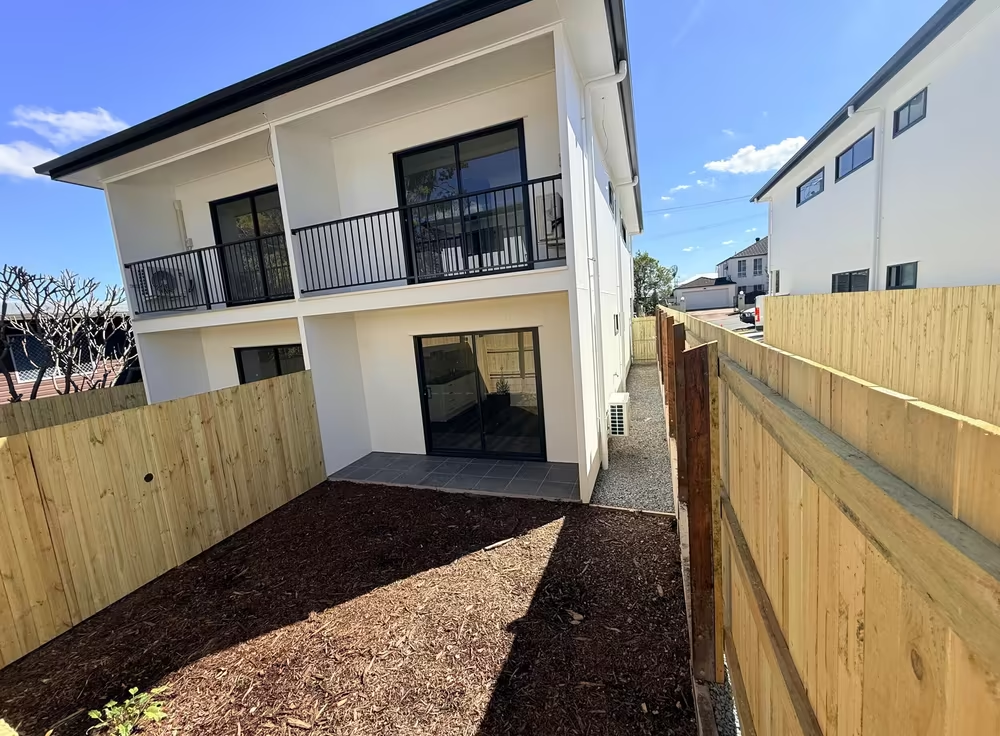
In Queensland, a house where residents rent individual rooms and share facilities is generally dealt with as rooming accommodation. This article sets out the main areas of regulation an investor should know about. It is part of our Class 1b rooming houses guide.
The tenancy law
Queensland's Residential Tenancies and Rooming Accommodation Act 2008 covers the relationship between the provider of rooming accommodation and the resident. Under the Act, accommodation is rooming accommodation where each resident has a right to occupy one or more rooms, does not have a right to the whole premises, does not occupy a self-contained unit and shares other rooms or facilities. A live-in owner with no more than three rooms occupied or available for occupation is outside the Act.
The Act deals with matters such as the written agreement, bonds, rent increases, entry to rooms and how an agreement ends. The agreement is a rooming accommodation agreement (RTA Form R18), the maximum bond is the rent for four weeks, and any bond must be lodged with the RTA within 10 days. The rules for rooming accommodation are different from the rules for a standard tenancy, so a landlord used to ordinary rentals should not assume they are the same.
House rules
The prescribed house rules in the Residential Tenancies and Rooming Accommodation Regulation 2025 apply to all rooming accommodation in Queensland and cover matters such as resident and guest behaviour. The Regulation applies from 1 September 2025, and the RTA says it clarifies existing requirements rather than introducing major changes. Providers can add their own house rules on matters such as guests, smoking, shared facilities, parking, alcohol, noise and pets, but those rules must not conflict with the prescribed rules, and residents must get at least seven days' notice of a change.
Planning
Whether a rooming house is allowed on a site is decided by the local council's planning scheme, which sets out where rooming accommodation can be built and whether it needs an approval. Zoning, the number of residents and parking can all matter. Requirements differ between councils, so check with the council for the specific address.

[cta]
Building classification
On the building side, a small rooming house (a total floor area of no more than 300 square metres and no more than 12 people ordinarily resident) is typically classified as Class 1b under the National Construction Code, and larger ones as Class 3. The class sets the fire safety and construction requirements. See Class 1b building explained.
Day-to-day operation
- Use a written rooming accommodation agreement that meets the Act's requirements.
- Display and keep to the house rules, and give notice of any change.
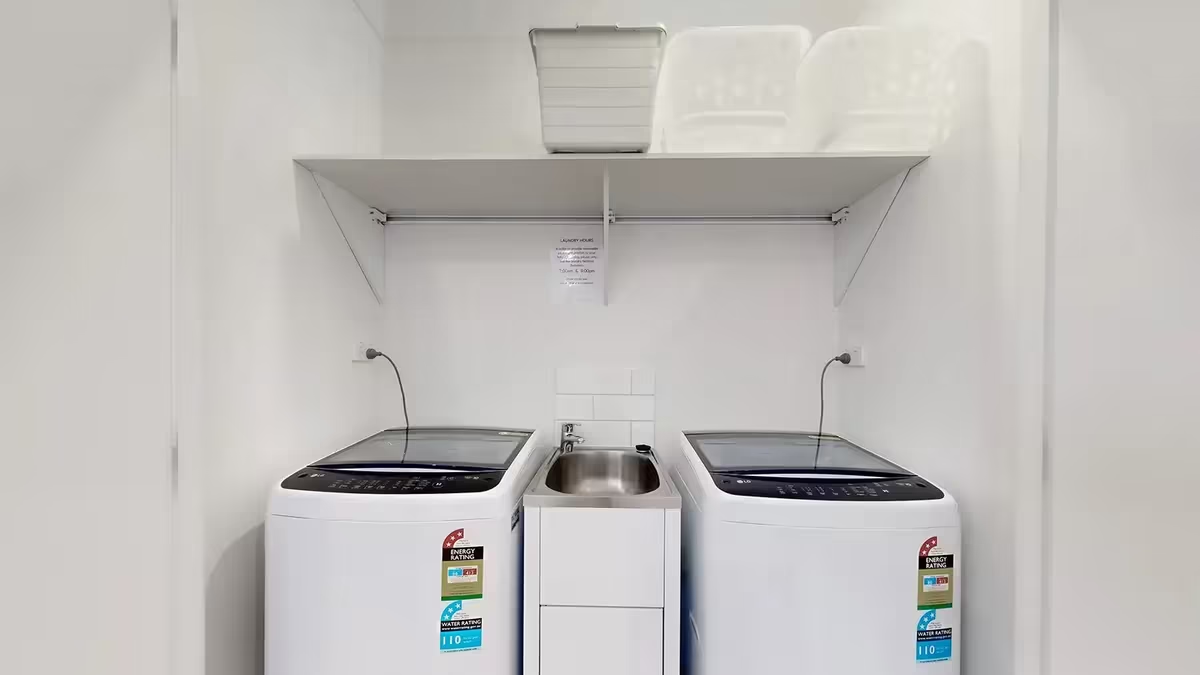
- Keep shared areas clean, safe and in good repair.
- Keep the building compliant with the class it was approved as, including smoke alarms and exits.
- Keep records of bonds, agreements and maintenance.
What investors should check
- The approved building class and use on the building approval.
- The council's planning rules for rooming accommodation at that address.
- How the existing agreements, house rules and any operator arrangement are set up, and whether bonds were lodged with the RTA.
- The insurance position for rooming accommodation.
For the full process, use our rooming house due diligence checklist. For the Victorian equivalent, see rooming house rules in Victoria.
Frequently asked questions
Is a rooming house legal in Queensland?
Yes, where it meets the planning, building and tenancy requirements. The detail depends on the council and the property.
Which law covers rooming accommodation in Queensland?
The Residential Tenancies and Rooming Accommodation Act 2008 (Qld), with the Residential Tenancies and Rooming Accommodation Regulation 2025.
Do I need council approval for a rooming house in Queensland?
It depends on the local planning scheme and the zone. Ask the council before you buy or build.
Where to from here. Weighing up a Queensland site? Talk to us.
[cta]
Elevate Your Portfolio With Dominion!
Elevate Your Portfolio With Dominion!
References
- Rooming accommodation, Residential Tenancies Authority (Qld). Accessed 16 November 2026.
- House rules in rooming accommodation, Residential Tenancies Authority (Qld). Accessed 16 November 2026.
- Changes to Queensland tenancy regulation and updated RTA forms, Residential Tenancies Authority (Qld). Accessed 16 November 2026.
- Residential Tenancies and Rooming Accommodation Act 2008 (Qld), Queensland Legislation. Accessed 16 November 2026.
- Rooming accommodation agreements fact sheet, Residential Tenancies Authority (Qld). Accessed 16 November 2026.
General information only. This article is not financial, tax, legal or credit advice and does not consider your objectives, financial situation or needs. Figures, examples, rules, rates and tax settings are illustrative, can change, and may not reflect the latest position. Returns are not guaranteed. Confirm the current position with a licensed adviser, accountant or the relevant authority before making a decision.


Related Posts